A Dinner to Rival Mansfield Park

She arrived after a dinosaur dig. 

And turned the school house into an elegant dining hall.

september guidecraft 017   

september guidecraft 028

Everyone had a place or rather a part, unlike the Mansfield Park play. 

september guidecraft 026

Salad to begin with . . .

september guidecraft 027

Conversation starters . . . . under the ? that you see on the table . . .

september guidecraft 023


september guidecraft 019


september guidecraft 029

A friendly game . . .

september guidecraft 031

And of course dessert with pumpkin spiced lattes . . .

september guidecraft 032


september guidecraft 030       

And who was there? 

september guidecraft 034

Sad you missed the drink or want to make it for your next party?

Pumpkin Spice Latte

  • 2 cups milk
  • 2 tbsp canned pumpkin
  • 2 tbsp sugar
  • 2 tbsp vanilla
  • 1/2 tsp pumpkin pie spice (or 1/4 tsp cinnamon, 1/8 tsp cloves, 1/8 tsp nutmeg, and a pinch of ginger)
  • 1/2 cup brewed espresso or 3/4 cup strong brewed coffee

Cook all of the ingredients in a Crockpot for approximately 2 hours.

Mansfield Park discussion questions

1. Fanny sits and waits often in this book, explain how her time of sitting in the heat at the Rushworth’s estate, while the other characters come and go around her epitomizes the entire plot of the book.

2. Does Fanny Price remind you of Cinderella? Why?

3. Is there any comedy in Mansfield Park? When? Are there any comedic characters?

4. What makes Edmond more interested in Mary Crawford when Fanny is right there all along?

5. How are Lady Bertram, Mrs. Norris, and Mrs. Price and Maria, Julia and Fanny similar?

6. Of all the Jane Austen books you’ve read how did this one compare?

Hope you enjoyed the book! See you Monday night!

Pre-Friday Funny…

I don’t know about you, but for me this has been an extremely long week. And it was supposed to be a short week following the holiday weekend! A literary agent’s blog that I enjoy reading had linked to this video. Since we’re reading Jane Austen this month, and our heroine of Mansfield Park makes an appearance, I thought it would be fun to share it with you.

Hope this brightens your Thursday! Enjoy the Jane Austen fun!

Jane Austen

I’m supposed to be telling you all a little more information about our author of this month’s book, Mansfield Park. I want to tell you more about Jane and how she could have drawn from her own life’s inspiration to write this story, but that would be telling a bit too much for those of you who haven’t read the whole thing.

If you want to know more, you can go here: http://en.wikipedia.org/wiki/Jane_austen

Mansfield park was written after a 10 year break in her writing, and was a huge success when it was published. I hope you’re reading it and enjoying it as much as the populace of England in the 1814s.

From Austen’s Time to Ours: An Introduction to Mansfield Park

Well, this blog post is late. We’ve been scrambling around getting ready for a trip to Ohio this weekend and between getting some last minute tasks at work finished and packing, it has been a little crazy. As I sit here at my in-laws’ house outside of Dayton, it strikes me how different our society is from the one Jane Austen describes in her novels like this month’s book club selection, Mansfield Park.

The pace of life in the late 1700s society that Austen describes always seems so slow compared to what we experience today. People sit around in drawing rooms and talk, play cards and embroider after dinner. They never seem to go to work. When they visit friends and relatives, they stay at their houses for months— a visit of several weeks would be short. In contrast, We’re making a whirlwind trip and staying with family for a few days, then we will be back to our fast paced life and the frantic day-to-day activities associated with work, taking care of our little boy and the house, and working with the youth of our church.

Mansfield Park gives us a glimpse of that society gone by as Fanny, one of Austen’s most sweet and demure characters, goes to live with her aunt and uncle Bertram and to be raised alongside her cousins. After growing up together, their lives have hit a very predictable rhythm, until brother and sister Henry and Mary Crawford come to the area and start to shake things up at Mansfield Park.

As you read the book, I wonder if you will be struck like I was by how even though the times we live in are so different from the 1700s, the characters of people are very much the same. You could transplant Fanny, her cousins, her aunts and uncles and the Crawfords into our time and Austen’s warnings against the consequences of selfishness and the impulsiveness of youth and her views of love and relationships would still ring true to us today.

I hope you enjoy Mansfield Park as I have, and we also hope you will join us for September’s discussion and “fancy” dinner party. We’ll have more details for you soon. If you missed the Evite, leave a comment, and we’ll make sure to send one to you so we know you’re coming and we can get you information.

Happy reading!

Cry, The Beloved Country recap

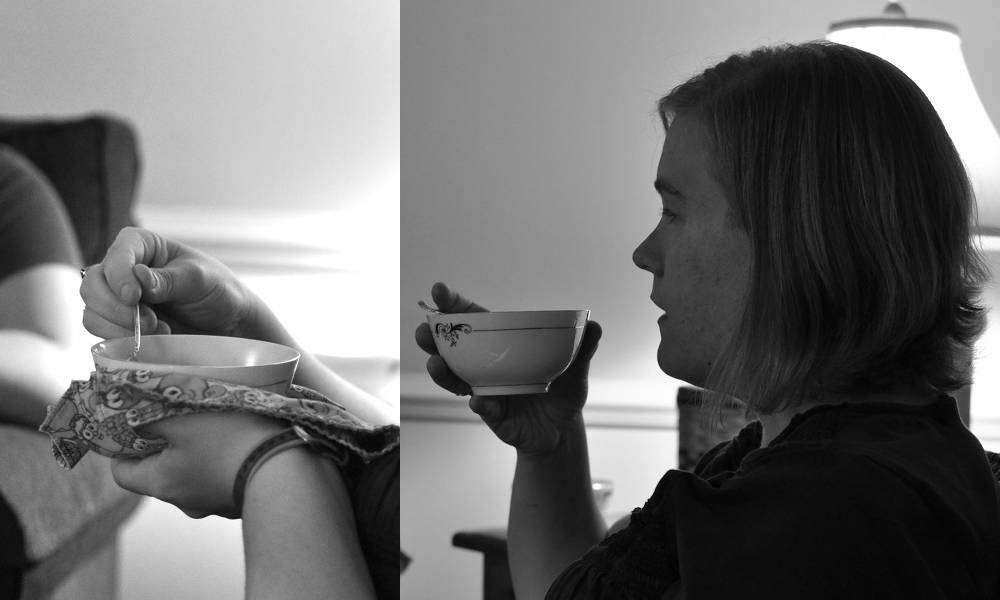
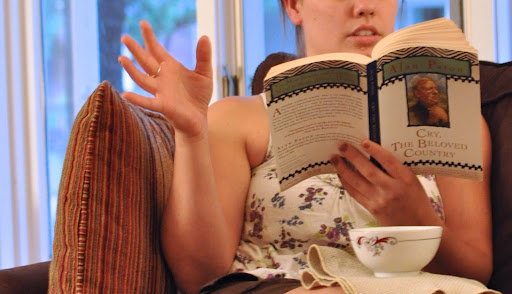
I love it when we meet for book club in someone’s home! It means a cozy setting and often yummy treats.


And of course great conversations!


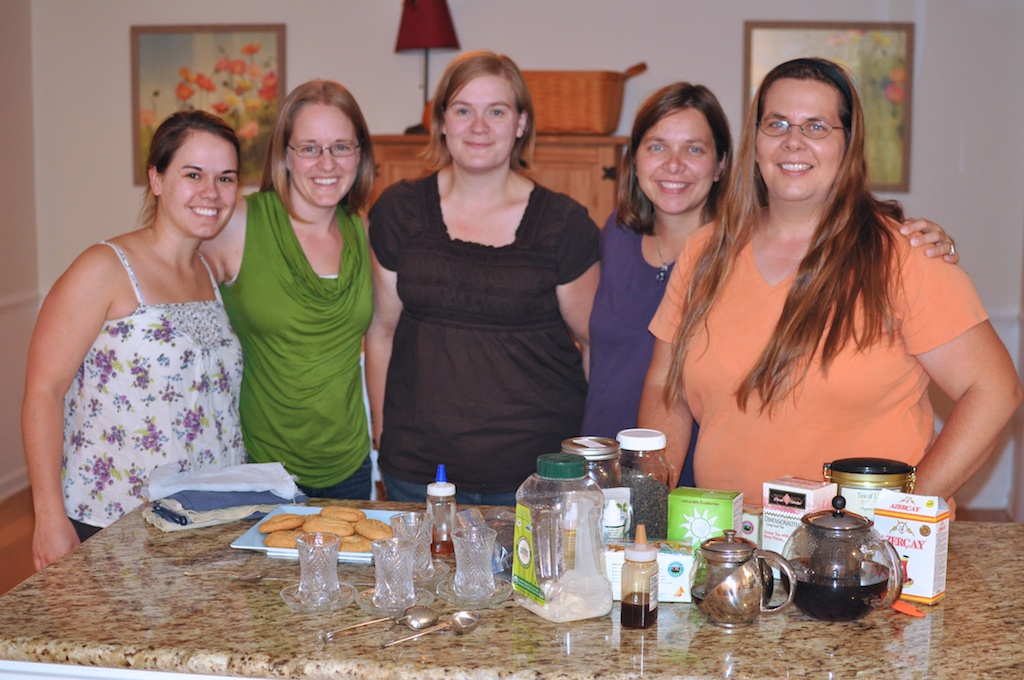
Cry, The Beloved Country brought five of us together Monday night. Some thought the court scene gripped us the most, others found the hunt for Absalom our favorite part.

I know others read it and were unable to come. I’d love to know your thoughts on the book. Leave a comment if you feel so led.

“But there is only one thing that has power completely,
and that is love. Because when a man loves he seeks no power,
and therefore he has power.”
-Alan Paton, Cry, The Beloved Country

In the news….

Michelle, one of our members, writes for Modern Handmade Child, an online magazine. In the current Autumn issue she wrote an article about starting a book club called Expanding Your Horizons. You might recognize some of the ladies in the pictures! If you’d like you can subscribe to Modern Handmade Child for free on their website.

In other news, our September book club discussion with be the same day and time as usual… BUT we’ll be meeting at Jodi’s house for a fancy dinner party! Watch for more details this week.

Discussion Questions: Cry, The Beloved Country

Hey ladies! Here are some questions to get your mind rolling on our upcoming discussion of Cry, The Beloved Country. It’s not that we expect you to know the answers to all of these questions; it’s that more perspectives enrich the conversation.

Monday, August 16th. Paradise Bakery, Hamilton Town Center. 7pm. See you there!

*This book traces how the loss of faith, the breakdown of the family concept and
communication between people leads to moral breakdowns and a complexity of problems. Note the particulars of these losses and those breakdowns.

*In one or two sentences articulate the theme of this novel, a theme that is universal applying to all people at all times of history.

*What is Alan Paton’s greatest concern in this novel? How does he define racial reconciliation?

*The opening poetic scenes of the novel introduce beauty and ugliness. How does this
foreshadow themes?

*The concept of fear is found on almost every page. In what way does this contribute to the story? What is Paton’s spiritual answer to the problem of fear in Book III?

*What does the main character Stephen Kumalo have to learn? How does he change?” What
does he do that shows you his dark places? What role does Msimangu play in Stephen’s spiritual progress?

(I took these questions from the Moody Radio Book Club Discussion Questions for Cry, The Beloved Country. )

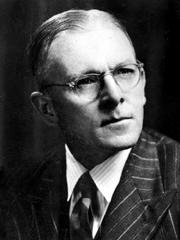
Alan Paton

Alan Paton
January 11 1903 – April 12 1988

-born in Pietermaritzburg, Natal Province -I had to look this place up my South African geography is a bit rusty. Now it’s callled KwaZulu-Natal.

-he went to Maritzburg College and the University of Natal, then he was a high school teacher.

-He later was a principal of the Diepkloof Reformatory where he introduced a new way of reform with an open dormitory policy, work permit policy, and home visitation policy.

-after WWII he spent some time touring other reformatories across the world. This is when he started writing Cry, The Beloved Country.

-he was a anti-apartheid activist.

-he wrote several other works with the continued theme of the race and politics of South Africa

-His personal motto was, “South Africa must be saved one person at a time.”

An Introduction to Cry, The Beloved Country

I have begun reading and attempting to process Cry, The Beloved by Alan Paton. As I read it, I imagine myself talking in an African dialect. Having lived in India, it comes to the soundtrack of my imagination quite easily as we were surrounded by English speaking Afrikaners.

If you need a little bit of help understanding the book, check out Book Rags or Spark Notes.

It is true that this book ISN’T so Pollyanna as Anne of Green Gables, yet it provides a rich experience with which to broaden our horizons, expand our vocabulary, and enter into a different culture from a safe distance. We can also learn a little history about apartheid.

So what is the book about?

Here is my child’s version . . .

a priest and his wife have stuck to their old ways. But most of their family, including their only son have wanted a more exciting life—the big city. In an attempt to locate the family and bring them home, said priest takes all their savings to journey into the city that swallows people up and takes them prisoners. On his journey he is able to reclaim some but also meets much grief and sadness. And it appears that he uses up most of his money.

That is all I have read so far. Enlightening, ehh? Let me find something more profession and well thought out.

Alas, I can not find a SHORT summary. They are all VERY long. So you might as well read the book. How’s that?

As you begin to read, look for some of these themes (found from another book club who read this book). These will only get you started. Other themes can be found in the link that I previously provided for you.

  • Biblical/Christian Influence. Cry, the Beloved Country is written in a Biblical style.
  • Opposites. The novel is full of opposites: the land (compare introductory paragraphs to section 1 and section 2); black versus white; poor versus rich.
  • Johannesburg Versus the Country . Cry, the Beloved Country contrasts the rural and urban ways of life.
  • Balance of Black Versus White. One of the novel’s goals seems to be to offer a balanced portrayal of both white and black perspectives without condemning either side.
  • Women. What role do women play in the novel? How do the injustices they face affect them? Do they suffer from injustices that the men do not?
  • South African Society.